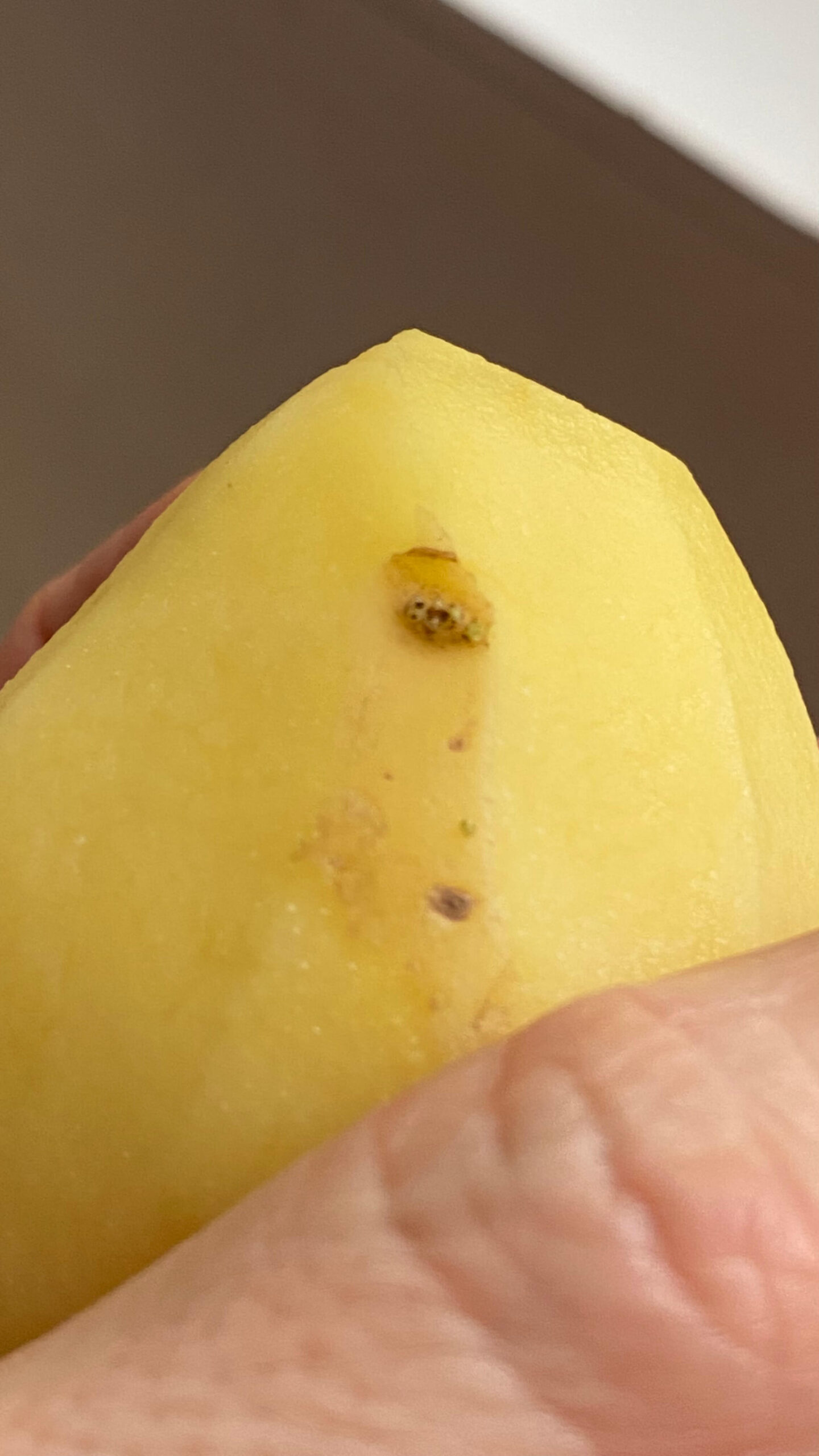
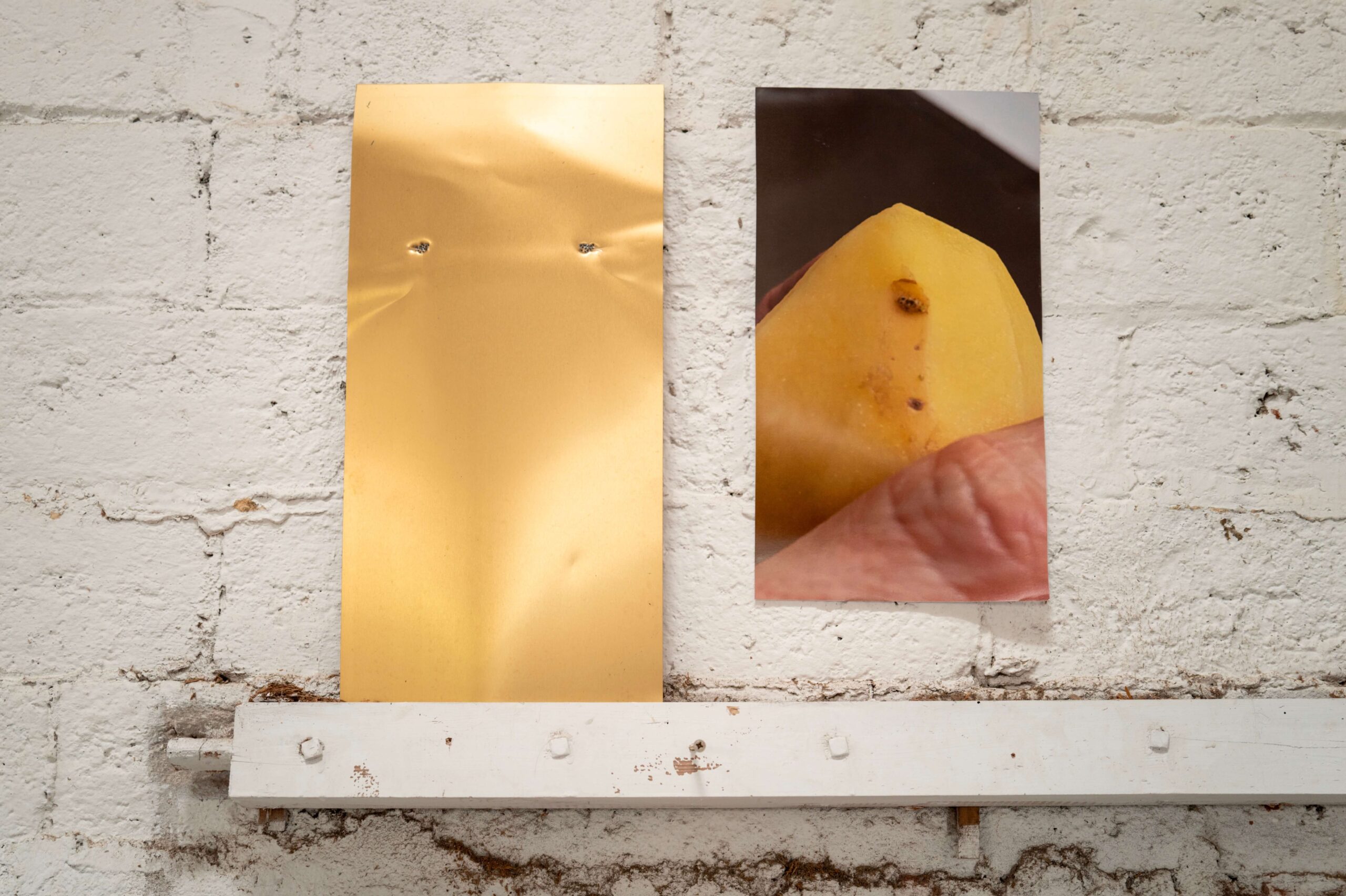
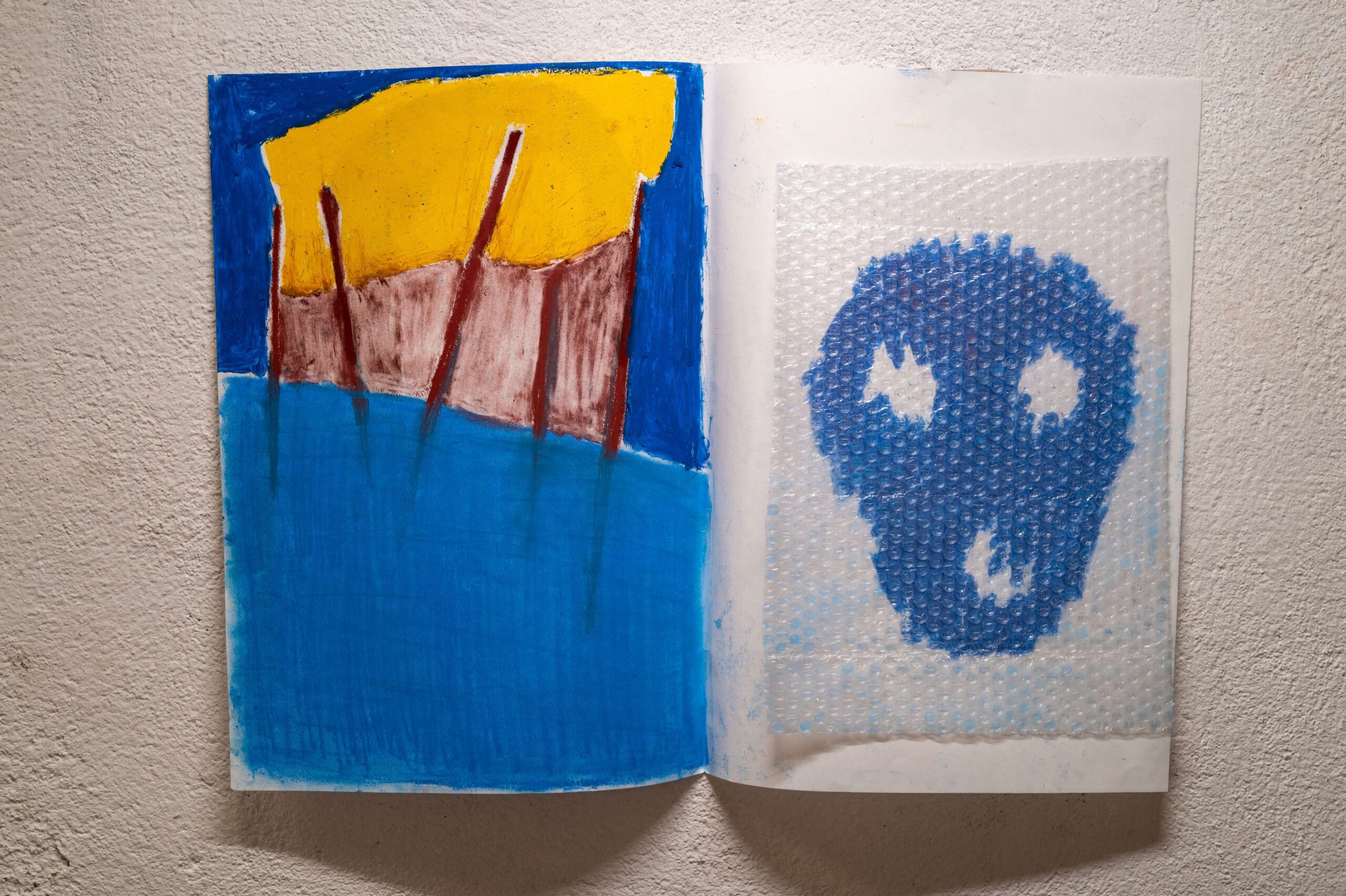
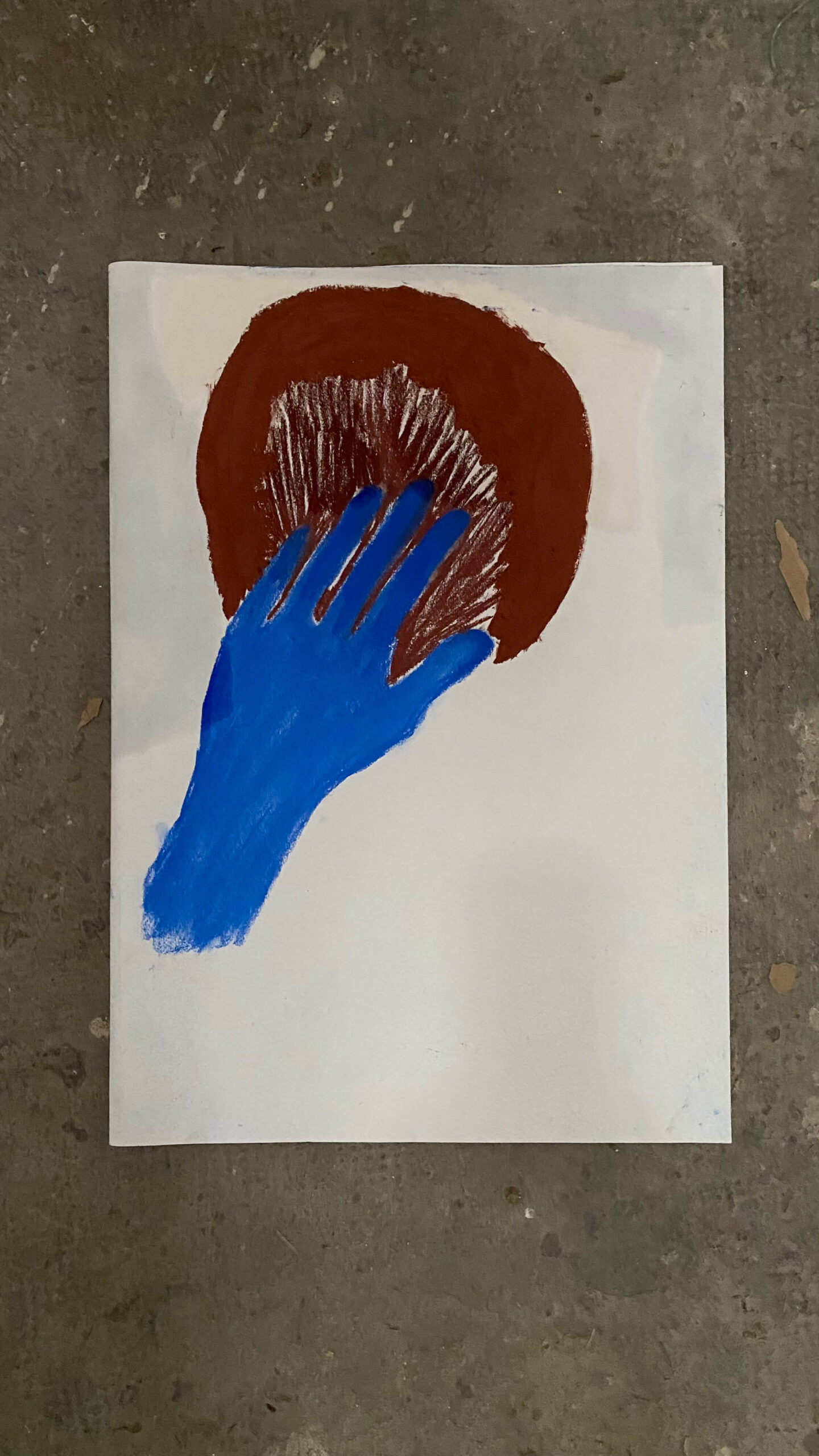
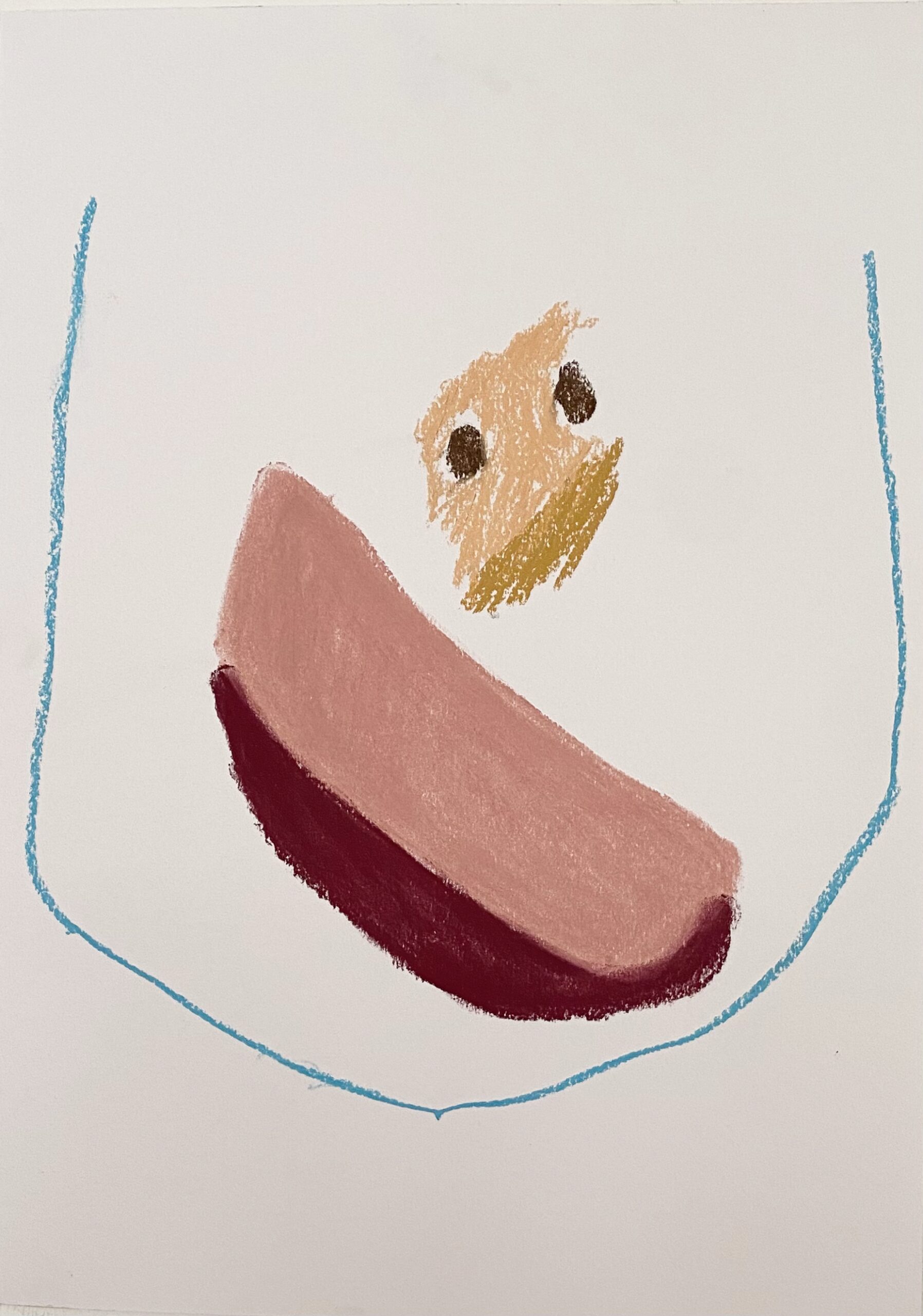
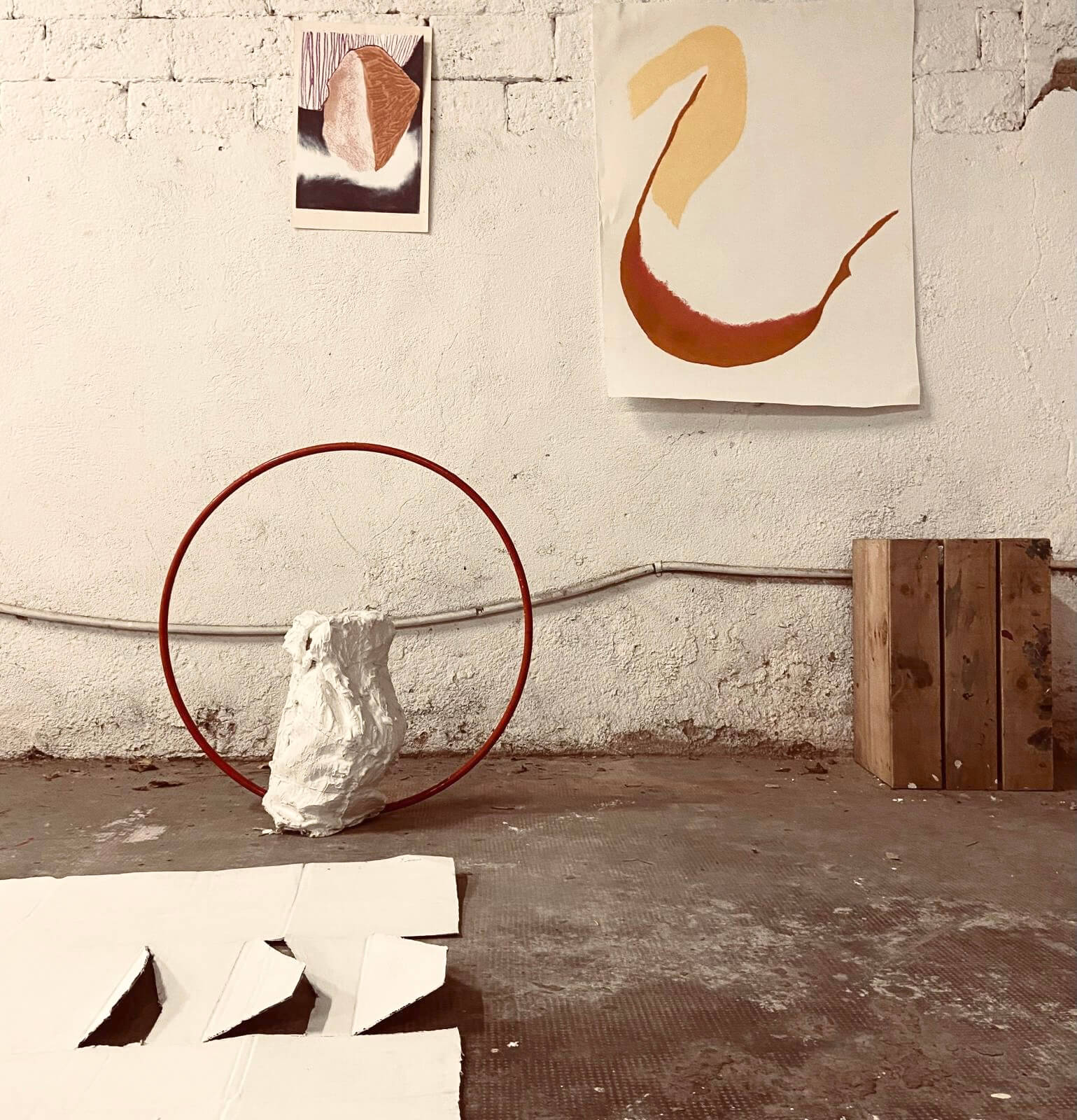
Face is a multilayered project made of drawings, photos (of objets trouvés) and texts, which explores the «face». The project problematizes the «face» as the ultimate center of emotional expression, perception, and visibility (mainly in the tradition of the visual arts, which tend to fuse the image-object and the person) on the one hand, and its unknowability (mainly in the tradition of philosophy, which separates the image-object from the person) on the other. The current everyday practices that socially produce the concept of facial recognition by AI, (self-)portraiture in social media, and the mask trivialize the face to an extreme degree and raise the crucial issue of overexposure and invisibility. This is the artistically relevant starting point of the research that then opens up the shift from the pre-linguistic natural status of the ‘face’ to its linguistic–political status, a persistent ethical and aesthetic paradox.
Thus, broadly, the project is inscribed within a certain politics of resistance in line with The Undercommons by Fred Moten and Stefano Harney: this resistance is directed at the imperative of visibility and the well-known issue of image overflow (and its consequences for the status of truth). It takes a stance against the limited and limiting fusion between the human face and its representation or image, as well as against the understanding of politics as necessarily subjective—belonging to a subject—and public.
More precisely, I explore the «face» through two axes, which intersect at its center forming a cross. The first axis moves between prosopagnosia and pareidolia. The second axis runs between moving away/distancing and calling/being called (Levinas).
Face is a multilayered project made of drawings, photos (of objets trouvés) and texts, which explores the «face». The project problematizes the «face» as the ultimate center of emotional expression, perception, and visibility (mainly in the tradition of the visual arts, which tend to fuse the image-object and the person) on the one hand, and its unknowability (mainly in the tradition of philosophy, which separates the image-object from the person) on the other. The current everyday practices that socially produce the concept of facial recognition by AI, (self-)portraiture in social media, and the mask trivialize the face to an extreme degree and raise the crucial issue of overexposure and invisibility. This is the artistically relevant starting point of the research that then opens up the shift from the pre-linguistic natural status of the ‘face’ to its linguistic–political status, a persistent ethical and aesthetic paradox.
Thus, broadly, the project is inscribed within a certain politics of resistance in line with The Undercommons by Fred Moten and Stefano Harney: this resistance is directed at the imperative of visibility and the well-known issue of image overflow (and its consequences for the status of truth). It takes a stance against the limited and limiting fusion between the human face and its representation or image, as well as against the understanding of politics as necessarily subjective—belonging to a subject—and public.
More precisely, I explore the «face» through two axes, which intersect at its center forming a cross. The first axis moves between prosopagnosia and pareidolia. The second axis runs between moving away/distancing and calling/being called (Levinas).